How to Teach Phonics to Preschoolers at Home
How to teach phonics to preschoolers at home: play with sounds first, teach letter sounds in a smart order, practice blending and tracing, in short daily games.
Also available in Tiếng Việt
To teach phonics to a preschooler at home, start with sounds, not letters: play rhyming and "first sound" games until your child can hear the sounds in words. Then link a few letters to their sounds at a time, practice blending sounds into short words, and add letter tracing, all in short, playful sessions. This guide explains how to teach phonics to preschoolers step by step, with simple activities you can do today.
What phonics is, and why it matters early
Phonics is the link between sounds and letters: knowing that the letter m makes the sound /m/, and that /c/ /a/ /t/ together make cat. It is how children learn to read new words by themselves instead of guessing or memorizing.
Early letter knowledge makes a real difference. The National Early Literacy Panel reviewed the research on children from birth to age 5. As the NICHD guide to its findings summarizes, the strongest and most consistent predictors of later reading and writing include alphabet knowledge (the names and sounds of letters), phonological awareness (hearing and playing with sounds in spoken words) and writing letters.
Step 1: Play with sounds before letters
Before letters mean anything, children need to hear that words are made of sounds. These games need no materials:
- Rhymes. Read rhyming books, then pause and let your child finish the rhyme: "The cat sat on the... mat!"
- First sounds. "Sun starts with /s/. What else starts with /s/?" Look for things around the house.
- Clapping syllables. Clap ba-na-na (3 claps) and dog (1 clap).
- I spy. "I spy something that starts with /b/." (A ball, a book, a banana.)
Step 2: Teach letter sounds a few at a time
Introduce two or three letters a week, each with its sound and a picture word: "This is s. It says /s/, like sun." Many phonics programs start with s, a, t, p, i, n, because these letters quickly combine into real words (sat, pin, tap, nap), so children can use what they learn right away.
Say sounds short and clean. The letter b says /b/, not "buh". Adding an extra "uh" to every sound makes blending much harder later (buh-a-tuh does not sound like bat).
Step 3: Practice blending and hearing sounds in words
Once your child knows a handful of sounds, show how they join into words. Say the sounds slowly, then faster: /s/... /a/... /t/... sat! Use magnetic letters or cards to build the word and let your child point to each letter while saying its sound.
The reverse game is just as useful: say a short word and ask, "What sounds do you hear in pin?" Hearing sounds in words is the first step toward spelling.
Step 4: Trace and write letters
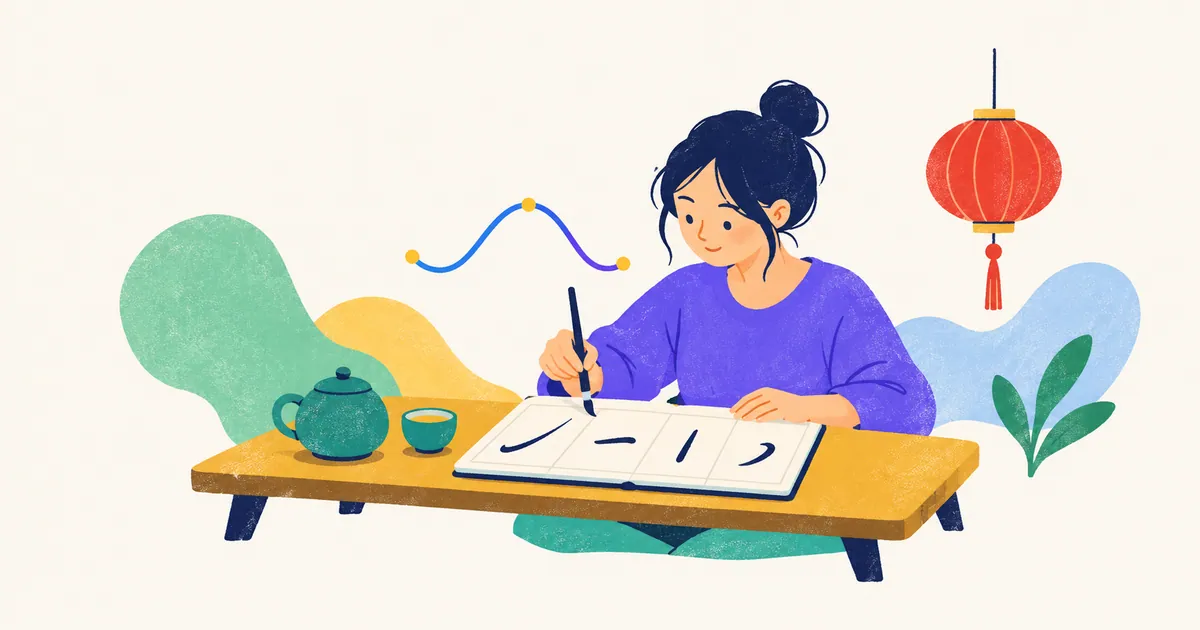
Writing letters strengthens letter knowledge and gets small hands ready for school. Let your child trace big letters with a finger in sand, flour or on a steamed-up window before using a crayon. Say the sound while tracing: "/m/, down, up, over, over." Start with the letters in your child's name, which are always the most motivating.
Easy phonics activities at home
| Activity | What you need | Skill |
|---|---|---|
| Sound treasure hunt | A basket | Find 3 objects that start with /b/ |
| Letter fishing | Paper letters with paper clips, a magnet on a string | Catch a letter and say its sound |
| Sound swap | Nothing | Change the first sound: cat becomes hat, mat, sat |
| Name tracing | Paper and crayons | Trace and say the letters of their own name |
| Picture sorting | Old magazines | Sort pictures by their first sound |
For a wider view of the skills children need before school, see our kindergarten readiness checklist.
Common mistakes to avoid
- Moving too fast. Learning all 26 letters in a few weeks leads to confusion; a few letters a week is plenty.
- Only teaching the alphabet song. It helps with letter names, but children also need the sounds.
- Turning it into a test. Correct gently, praise effort and let mistakes be part of the game.
- Long screen sessions. If you use an app, keep sessions short and sit together when you can. Our guide to screen time for preschoolers explains what the WHO recommends.
How Biibo Kids helps
Biibo Kids is a learning app for children aged 3–6 on iOS and Android. Its letters subject teaches the English alphabet from a to z through short games: tracing letters and numbers, talking letters, card matching and word puzzles, with stickers to collect along the way. Parents get a protected parent area with a 7-day report and profiles for up to three children. The app has no ads and works offline.
Summary
To teach phonics to preschoolers, start with sound games, introduce letter sounds a few at a time beginning with s, a, t, p, i and n, practice blending and hearing sounds in words, and add letter tracing. Keep every session short, playful and free of pressure.
Frequently asked questions
What age should a child start learning phonics?
Playful sound games such as rhymes and 'what sound does it start with?' suit most 3- and 4-year-olds. Linking sounds to letters usually comes a little later, around 4 to 5, but every child moves at their own pace.
Should I teach letter names or letter sounds first?
Both matter, but letter sounds are what children use to read words. Many parents teach the sound together with the letter: 'This is s. It says /s/, like sun.'
Which letters should I teach first?
Many phonics programs start with s, a, t, p, i and n, because children can quickly combine them into real words such as sat, pin and tap. Leave rarer letters like q, x and z for later.
How long should a phonics session be for a preschooler?
Keep it short: about 5 to 10 minutes of play, once or twice a day, and stop while your child is still enjoying it.